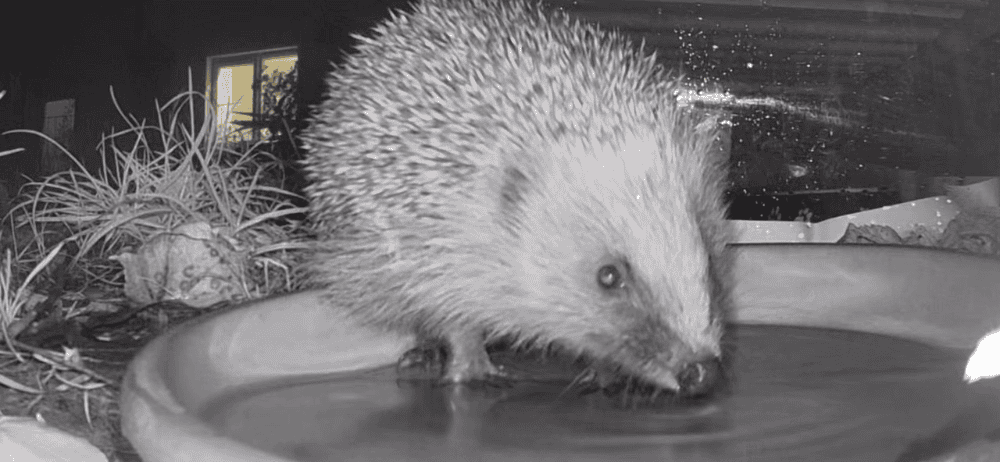
Providing the right type of food and environment for hedgehogs can significantly impact their health and longevity. This guide will cover what to feed hedgehogs, what foods to avoid, and best practices for feeding.
Essential Tips for Feeding Hedgehogs
Creating a hedgehog-friendly environment in your garden not only helps the local hedgehog population thrive but can also be a rewarding experience for you. Follow these essential tips:
- Fresh Water Supply: Always maintain a fresh and shallow water source. Hedgehogs need water especially during dry spells.
- High-Protein Biscuits: Hedgehogs require protein-rich foods for optimal health. High-quality kitten biscuits, such as Purina Kitten Chicken or Purina Adult, are excellent choices.
- Appropriate Meat Selection: Canned cat or dog food can be a good source of nutrition for hedgehogs, but choose jelly varieties over gravy and avoid fish flavors as they are less palatable to hedgehogs. It’s crucial to place food out only at night and remove it at dawn to prevent spoilage by flies.
Ideally there needs to be little food left in the morning as that way you know the hedgehogs have had enough food.
What to Feed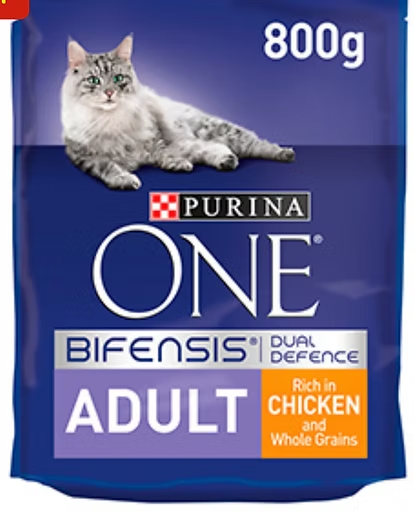
Expanding on the types of food recommended:
- Cat or Kitten Biscuits: Select biscuits that do not contain milk and have meat or meat derivatives as primary ingredients. These provide the necessary nutrients without the lactose that hedgehogs cannot digest.
- Canned Cat or Dog Food: Opt for meat and poultry canned foods set in jelly, which are easier for hedgehogs to eat and digest.
- Specialist Hedgehog Food: If choosing commercial hedgehog food, prefer reputable brands like Brambles, which are tailored to meet hedgehog dietary needs. Always inspect the ingredient list for quality and safety.
Foods to Avoid
Certain common feeding mistakes can be harmful to hedgehogs:
- Dairy Products: Hedgehogs are lactose intolerant; milk and dairy products can cause severe digestive upset and even death.
- Problematic Treats: Mealworms, calciworms, peanuts, and sunflower hearts should be avoided as they lack nutritional value and can lead to diseases such as metabolic bone disease.
- Raw Meats and Poultry: These can be carriers of diseases like salmonella and lack the necessary nutrients when uncooked.
- Sugar and High-Carb Foods: Avoid human snacks like bread, biscuits, and cakes, which can lead to obesity and dental problems in hedgehogs.
- Indigestible Foods: Fruits and vegetables are largely indigestible by hedgehogs and provide no nutritional benefit.
Feeding Station Setup
Proper placement of food is as crucial as the food itself:
- Safe Distance from Nesting Boxes: Place food stations a few feet away from nesting areas to deter predators. This separation helps ensure hedgehogs can feed without attracting unwanted attention.
- Clean and Accessible: Keep feeding stations clean and easily accessible to hedgehogs but out of reach of other animals.
Selecting the Right Hedgehog Foods
When buying commercial hedgehog foods, be vigilant as the market is largely unregulated:
- Choosing Trusted Brands: Opt for trusted brands like IAMS or Brambles, known for their nutritional content and safety.
- Reading Labels: Always read food labels for any harmful ingredients or additives that could be detrimental to hedgehog health.