
A Step-by-Step Guide
Creating a DIY hedgehog feeding station is a fantastic way to support local wildlife while ensuring that your efforts cater specifically to hedgehogs, not neighborhood cats. This guide will provide you with detailed instructions on how to build an effective feeding station, along with tips for maintaining hygiene and observing your spiky guests.
Why Build a Hedgehog Feeding Station?
Feeding stations help keep food dry and safe from other animals, and they protect hedgehogs from the elements—hedgehogs aren’t fond of rain! Plus, it’s a great way to observe these creatures safely without disturbing their natural behaviors.
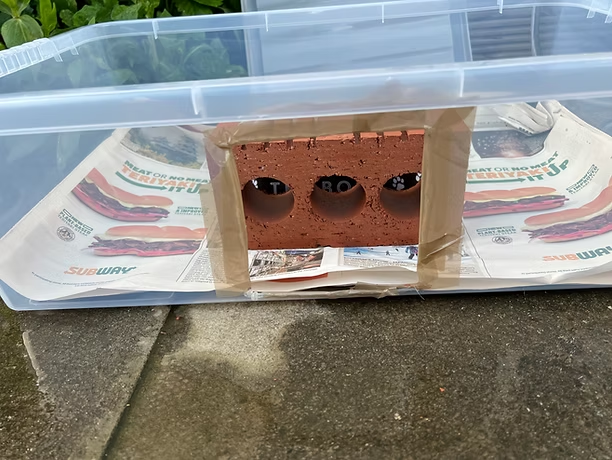
place brick in side the doorway
Essential Materials Needed
To build your hedgehog feeding station, you will need:
- A plastic storage box with a lid (minimum size: 12 inches wide by 18 inches long, but larger is better)
- A Stanley knife or strong scissors for cutting
- Measuring tape for precise cuts
- Strong tape to cover any sharp edges around the cut
- 2 x Bricks, one to secure the lid and one to put inside the feeding station
- Small, heavy ceramic bowls for food and water
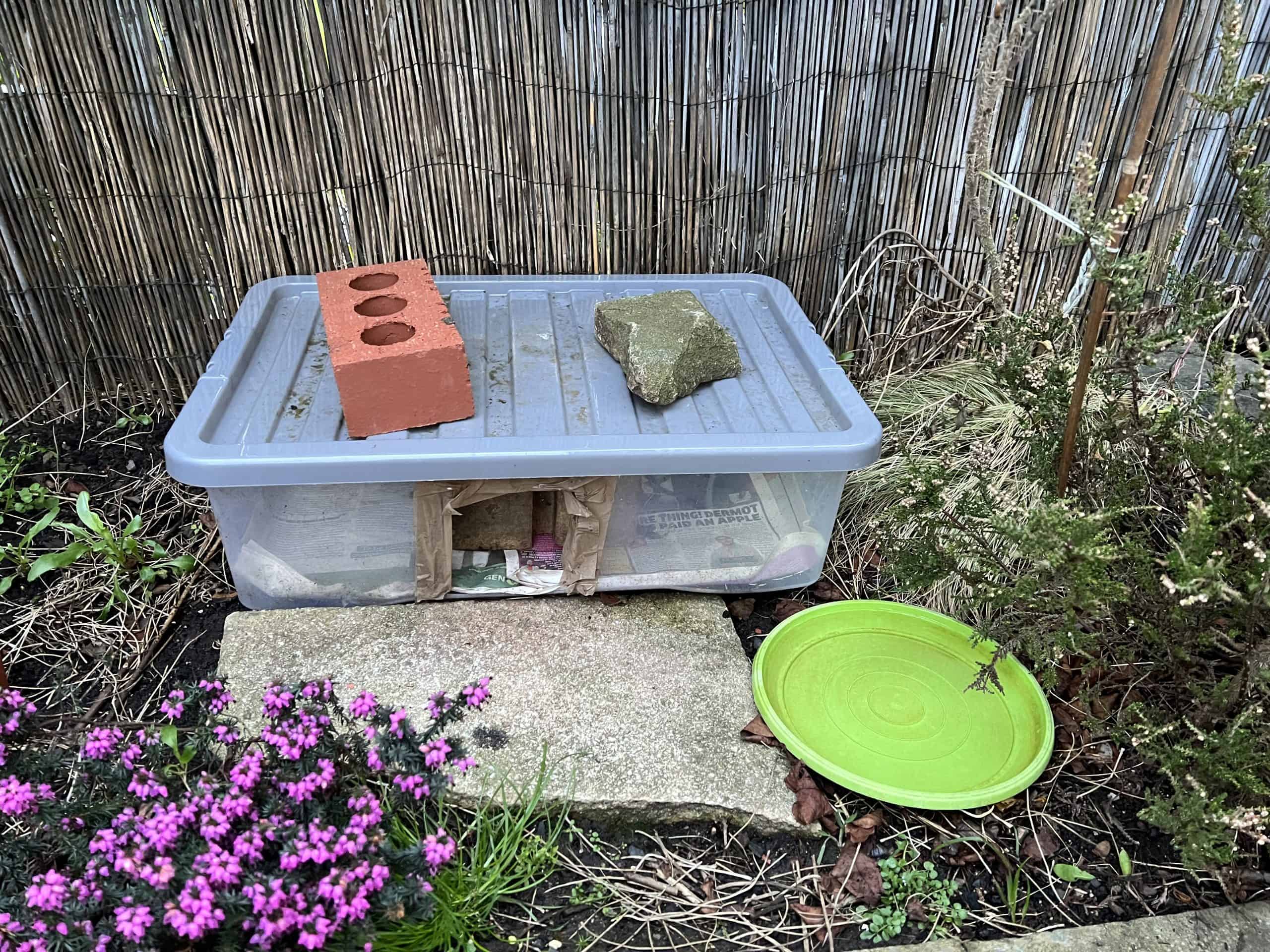
Place two bricks on top to help keep the lid in place
Step-by-Step Construction
- Prepare the Box: Decide if you want the lid on top or flipped upside down. Both setups can work depending on your preference.
- Cut an Entrance: Carefully cut a 5-inch x 5-inch square hole as the entry point. Smooth the edges with strong tape to prevent injuries to the hedgehogs.
- Line and Load: Line the box with newspaper for easy cleanup. Place food bowls at the back.
- Secure the Station: Place a brick just inside, allowing room for the hedgehog, to prevent other animals from accessing the food. Place the other brick on top of the lid to secure
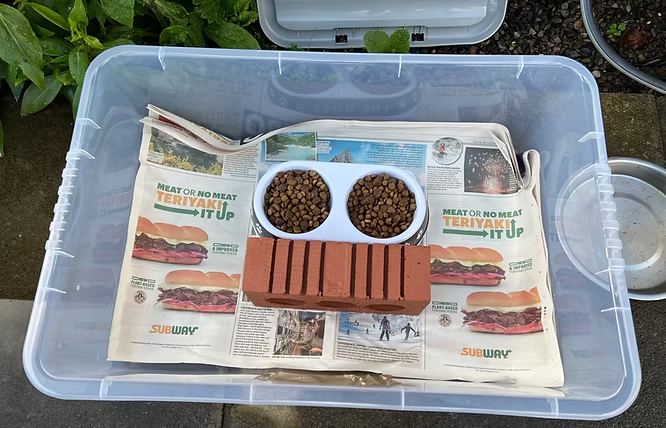
Its best to line the base of the feeding station with newspaper
Maintenance and Monitoring
- Daily Checks: Inspect the station daily, replace the newspaper lining, and wash the food bowls to maintain hygiene.
- Enhance Security: To reduce cat interference, position the entrance against a fence or wall, leaving only a hedgehog-sized gap. Consider building a tunnel or an internal baffle inside the box to further deter other animals.
- Observation Tips: To confirm hedgehog visits, set up a night camera.
Recognising Hedgehog Visits
Hedgehogs will often leave behind signs of their visit, such as:
- Food Residue: Unlike cats, hedgehogs might leave crumbs or unfinished food.
- Tracks and Signs: Look for hedgehog footprints or droppings near the feeding station.
Keep It Clean and Mobile
Regular cleaning is crucial to prevent the spread of parasites and bacteria:
- Change the newspaper lining daily.
- Periodically move the feeding station to different locations to prevent overuse of one area and to reduce the risk of disease spread.
Utilising Technology for Better Observation
Invest in a night camera to watch the feeding habits of hedgehogs without disturbing them. This technology can help you ensure that your feeding station is effectively serving its intended guests.
Conclusion
Building and maintaining a hedgehog feeding station is a rewarding activity that supports wildlife and enriches your garden ecosystem. With these steps, you can create a safe and inviting space for hedgehogs, helping them thrive in your area.
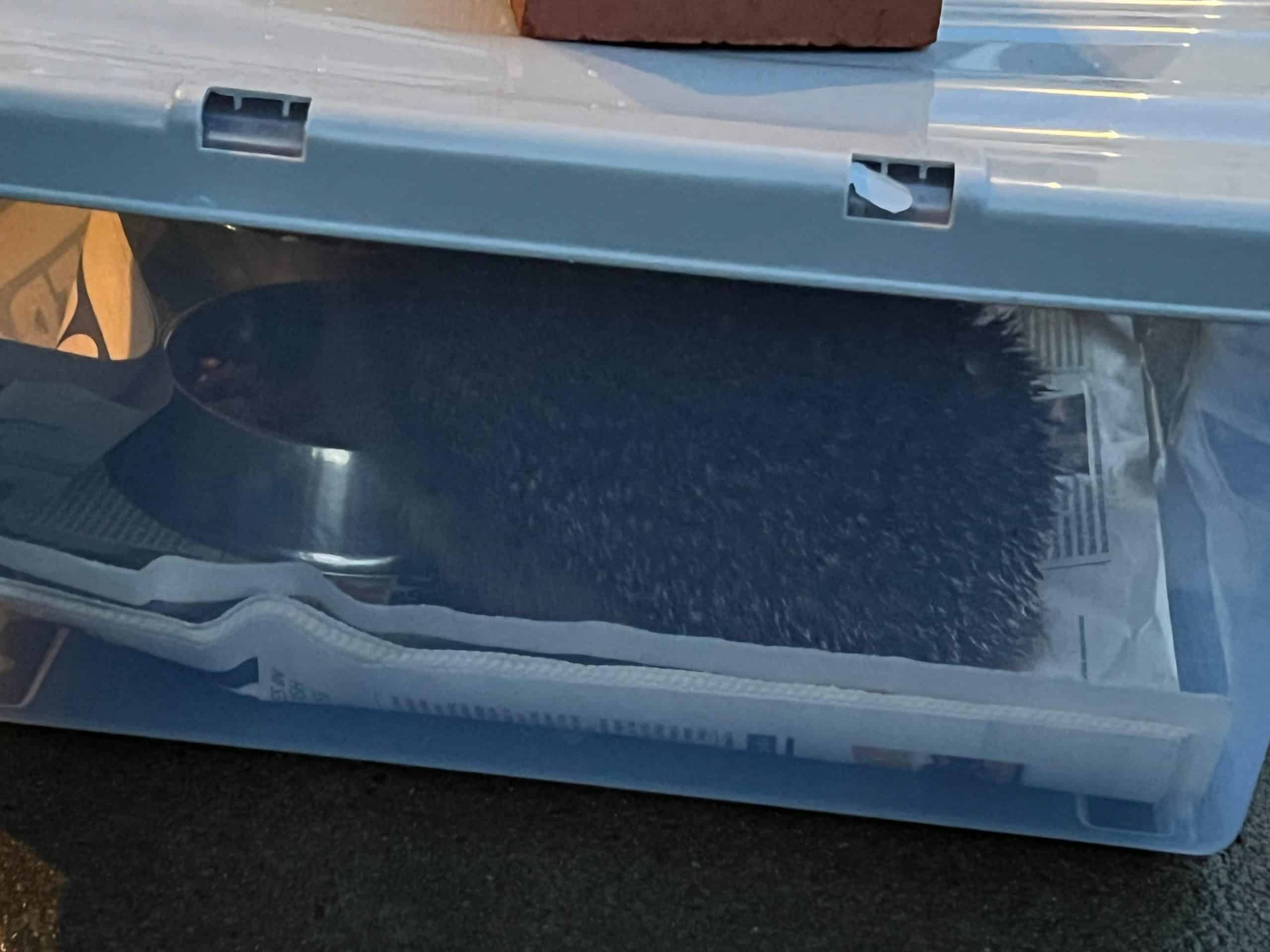
A hedgehog inside a feeding station